Key Takeaways
Stucco is one of the most beautiful and durable exterior finishes you can choose for your home. In Sarasota County, it is the king of construction, with roughly 82% of homes in the southern part of the state featuring this classic Mediterranean look. But while stucco is tough, it isn’t invincible. The intense sun, heavy tropical rains, and high humidity can take a toll on your home’s exterior.
If you have noticed a small crack or a strange stain on your walls, you might be wondering: Is this a big deal? How do I fix it? And when should I call a professional stucco repair company?
In this guide, we will walk you through the signs you need stucco repair, the best stucco repair materials, and how to ensure your home stays protected for decades.
The Gulf Coast is full of “handymen” who claim they can do stucco, but few have the specialized knowledge required for Florida’s climate. When vetting stucco repair contractors, ask these questions:
Maintaining your stucco isn’t just about looks; it’s a smart financial move. Research shows that professional stucco updates and repairs offer a 70% to 75% return on investment (ROI).
In a market like Sarasota or Bradenton, buyers are very wary of stucco issues. A home with visible cracks or water stains can lose 3% or more of its total value instantly. Worse, if a home inspection finds hidden moisture, a sale can fall through entirely.
Before you can fix a problem, you have to find it. Stucco damage often starts small, but in our humid Gulf Coast climate, small problems turn into expensive nightmares very quickly. Here is what you should look for during your next walk around the house.
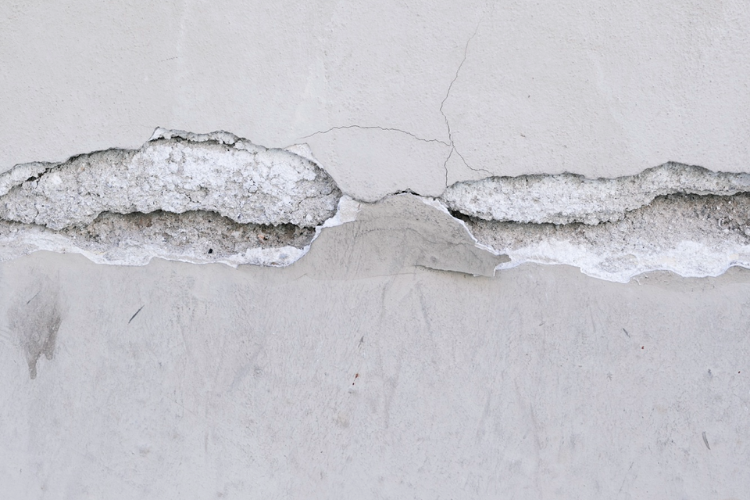
Stucco cracks come in many forms, and each one tells a different story about what’s happening beneath the surface. While cracking is the most common reason homeowners look into stucco crack repair, not all cracks mean the same thing or require the same level of attention. Some are cosmetic, while others point to deeper structural issues that shouldn’t be ignored.
| Type of Stucco Crack | What It Looks Like | What It Usually Means |
| Hairline Cracks | Very thin cracks, usually less than 1/16 of an inch | Often caused by normal house settling or stucco curing. Common, but should be sealed to prevent moisture intrusion. |
| Spider-Web Cracks | A cluster of thin, intersecting cracks resembling a web | Typically, a sign of poor stucco mixing or rapid drying during installation. |
| Staircase Cracks | Step-like cracks following the pattern of underlying blocks | A major warning sign of foundation movement or structural stress. |
| Diagonal Cracks | Slanted cracks near windows or door corners | Often indicates shifting in the home’s frame or structural movement. |
If you see dark brown, green, or black streaks running down from your windows or roofline, these are often called “stucco tears.” This isn’t just dirt; it’s a sign that water is getting behind your stucco and bringing rot or mold with it.
This is a “call the experts now” moment. If the stucco looks like it is pulling away from the wall or feels soft when you press on it, the wood underneath is likely rotting. This is a sign of delamination, where the stucco has lost its bond with the house.
Have you seen a white, powdery residue on your walls? That is efflorescence. It happens when salt inside the cement is pushed to the surface by moisture. It’s a clear sign that your walls are staying wet for too long.
Knowing when to step aside and call the stucco repair contractors can save you thousands of dollars. You should call a professional if:
Kinetic Stucco Repair checks all these boxes. With over two decades of experience and a reputation for being the most disciplined team in the region, we are the go-to choice for homeowners who want the job done right the first time.
Stucco problems aren’t just surface issues. Cracks, bubbling, and staining often point to moisture hiding where you can’t see it. When experienced professionals step in, the goal isn’t a quick patch. It’s a proper fix that protects your home long term.
Experts know how to find the real source of the damage, prevent trapped moisture, and restore the stucco so it performs the way it was meant to.
| Aspect | What Professionals Do |
| Damage Assessment | Identify visible and hidden issues, including moisture intrusion |
| Moisture Management | Detect and correct moisture problems before repairs begin |
| Repair Technique | Use multi-layer, traditional stucco methods |
| Tools & Materials | Commercial-grade materials designed for longevity |
| Finish Quality | Seamless texture and color matching |
| Long-Term Performance | Built to last, not just look good temporarily |
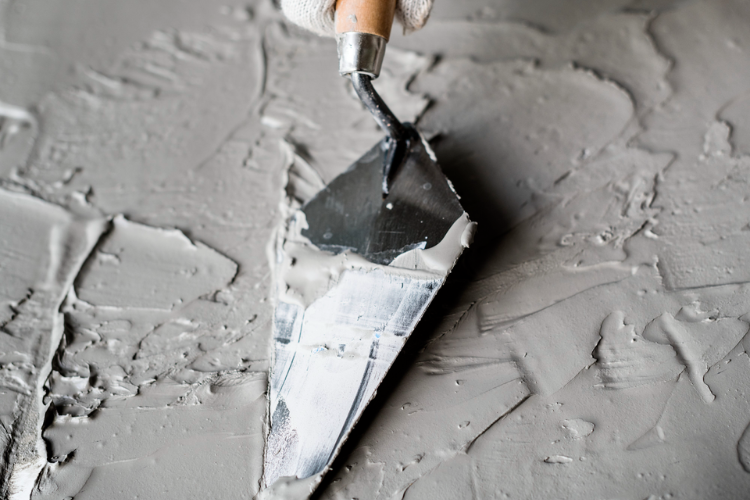
f you are attempting a small fix, you need the right stucco repair materials.
Florida’s weather is relentless. A small crack today is a gateway for a gallon of water during the next summer thunderstorm. Proactive maintenance is the only way to avoid the “billion-dollar stucco problem” that plagues so many Sarasota County neighborhoods.
If you have noticed any of the signs that you need stucco repair, take action now. Whether it’s a routine inspection or an urgent stucco crack repair, professional help is just a call away. Contact Kinetic Stucco Restoration today.
Yes, it is possible to apply a new layer over the old one, often called “re-stuccoing” or a “re-dash”. However, the original surface must be in excellent condition and properly prepared, often requiring sandblasting or the use of a professional bonding agent, to ensure the new layer doesn’t peel away later.
While stucco may feel dry to the touch in 24 to 72 hours, it requires a significant amount of time to reach its full chemical strength. Industry standards recommend waiting a minimum of 7 to 10 days for the base coats to cure, but 28 days is the gold standard before applying paint to prevent the stucco’s high pH levels from ruining the finish.
Absolutely. Stucco is a very dense material that provides excellent “thermal mass,” meaning it helps keep your home cooler in the summer and warmer in the winter.
It is generally not recommended for anything beyond the smallest cosmetic touch-ups. Stucco is a complex system that involves moisture barriers and flashing; handymen often lack the specialized training or certifications (like EDI or AWCI) required to integrate these layers correctly.
Yes, but it is a complex process. It requires installing a sturdy waterproof barrier and a metal lath system over the wood to ensure the stucco has a secure bond and that moisture does not rot the wood underneath. In some cases, it is safer to remove the old siding entirely before starting.