Homeowners in Florida often face one important question: Should you choose stucco or siding for your home exterior? The decision isn’t just about appearance—it also affects how well your home handles Florida’s intense sun, high humidity, heavy rainfall, and hurricane-force winds.
Many homeowners initially choose siding because it’s cheaper upfront, but over time, problems like fading, warping, or storm damage can increase maintenance costs.
According to the U.S. Census Bureau Survey of Construction, stucco remains one of the most widely used exterior wall materials in newly built homes across the southern United States, especially in warm-climate states where durability and moisture resistance are essential.
That popularity reflects stucco’s long lifespan and strong performance in challenging climates. In this guide, we’ll compare stucco vs siding in Florida based on durability, cost, maintenance, and hurricane resistance so you can choose the best option for your home.
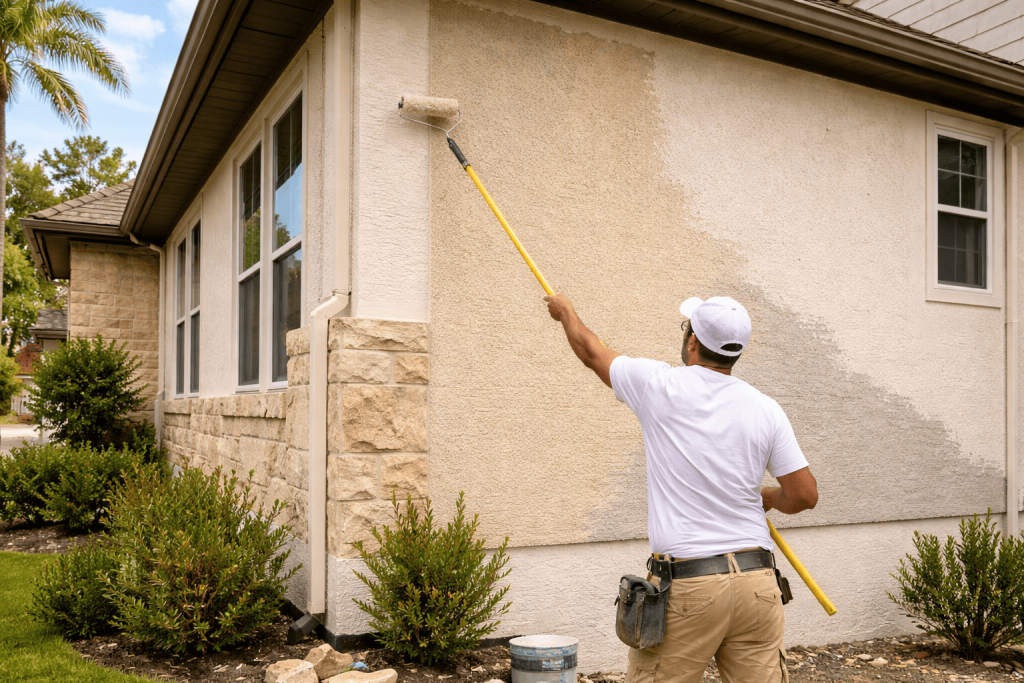
Stucco is a strong and durable exterior siding material commonly used on homes and buildings. It is made from a mixture of Portland cement, sand, lime, and water, which hardens into a stone-like surface when applied to walls. Once cured, stucco creates a protective, fire-resistant, and textured exterior finish that can last 50 years or more with proper installation and maintenance.
Typically, stucco is applied over a metal mesh (called lath) that helps the material bond securely to the wall structure. This layered system forms a breathable yet water-resistant barrier, making it suitable for many climates.
1. Composition: Stucco is created using a blend of Portland cement, sand, lime, and water. This mixture dries into a solid, stone-like coating that protects the exterior of a building.
2. Application Process: Traditional stucco is applied in three layers:
3. Durability: Stucco is known for its fire-resistant, rot-resistant, and pest-resistant properties, making it a reliable exterior finish for many types of homes.
There are two main types:
If you’re trying to decide between traditional stucco and modern systems like EIFS, check out our detailed comparison on EIFS vs Stucco: Which Is Better for Your Florida Home? to understand which option works best for your property.
Stucco is a widely used exterior finish in Florida because it performs well in hot, humid, and storm-prone conditions. It offers several long-term benefits, such as durability and energy efficiency, but it also has some drawbacks that homeowners should consider before choosing it for their property.
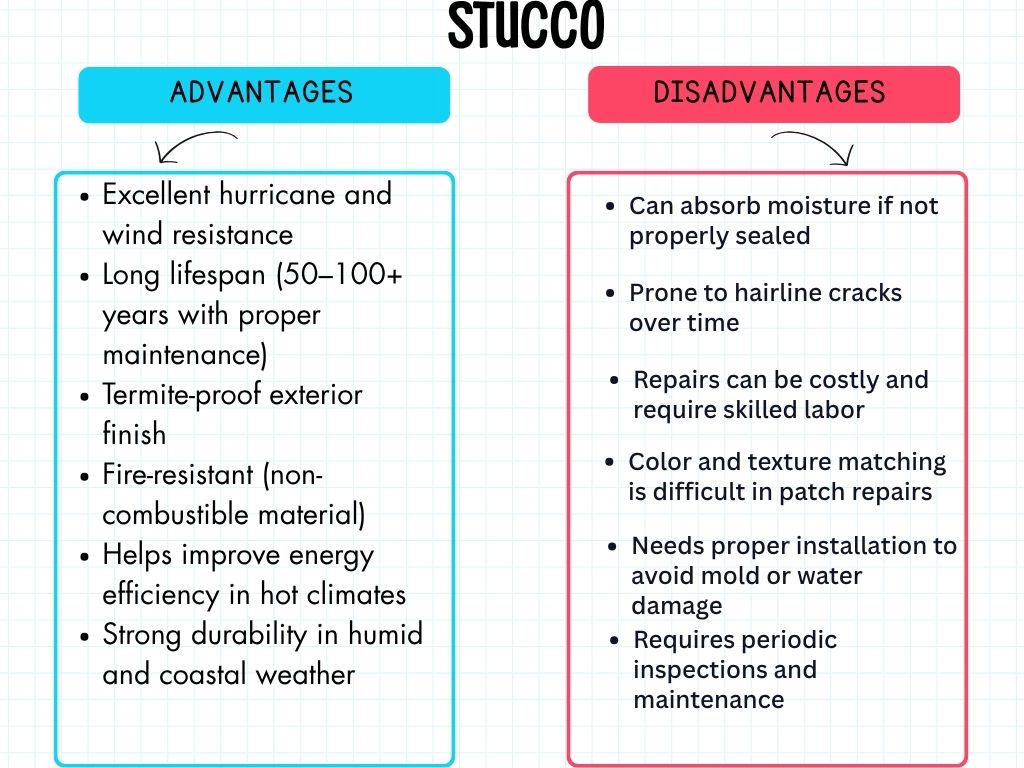
Stucco remains one of the most widely used exterior finishes in Florida because it performs well in hot, humid, and storm-prone climates. Many homeowners choose stucco for its durability and long-term value.
These benefits are a major reason stucco remains a preferred exterior material for many homes across Florida’s Gulf Coast.
We’re a stucco company, and we’ll still give you the honest answer here, because we believe informed homeowners make the best clients.
The biggest weaknesses of stucco:
1. Moisture absorption: Stucco is porous and can absorb water if it is not properly sealed. In Florida’s humid climate, poor installation can lead to moisture buildup and mold behind the surface.
2. Cracking: Because stucco is rigid, small cracks can develop due to foundation movement, temperature changes, or storm stress.
3. Higher repair costs: Matching stucco texture and color requires professional repair work. Repair costs in Florida typically range $8–$50 per square foot, depending on the severity of damage.
Most of these issues can be avoided with proper installation, sealing, and annual inspections.
Florida stucco installation costs are higher than national averages due to hurricane-grade materials, high construction demand, and the expertise required for humid climates.
For a 2,000 sq ft Florida home, typical pricing includes:
| Stucco Type | Estimated Cost |
| Traditional cement stucco | $18,000–$28,000 |
| Synthetic acrylic stucco | $28,000–$38,000 |
| Elastomeric coastal systems | $35,000–$44,000+ |
• Coastal location (salt-air protection coatings)
• Multi-story homes requiring scaffolding
• Removing existing siding
• Local permits and inspection requirements
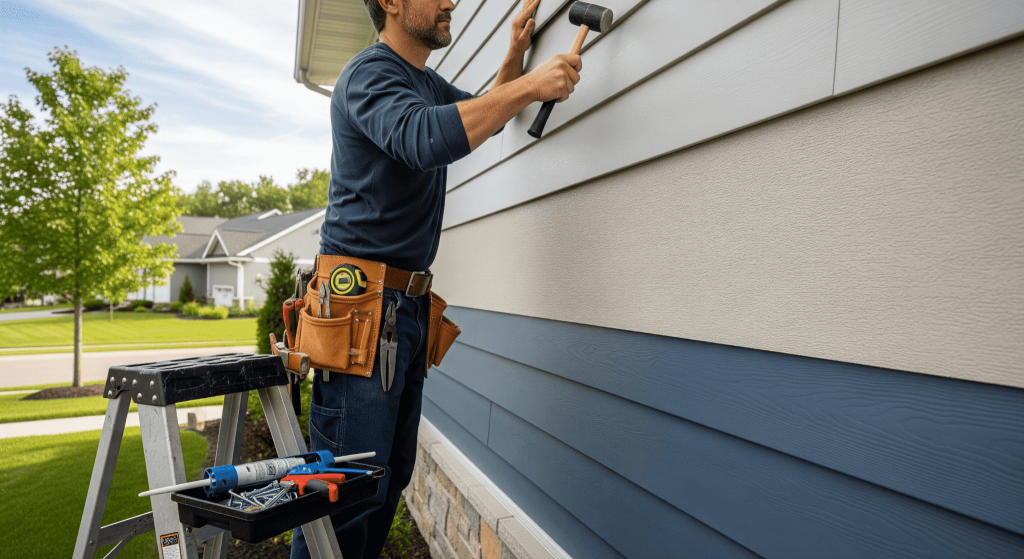
Siding, also known as wall cladding, is the protective outer material attached to the exterior walls of a house or building. It serves as the first line of defence against weather elements such as rain, wind, heat, and cold, while also enhancing the home’s appearance and curb appeal.
Siding is available in several materials, including vinyl, wood, fiber cement, metal, and composite, each offering different levels of durability, maintenance, and style.
1. Protection: Siding helps protect the home from rain, moisture, pests, and harsh weather conditions, preventing damage to the underlying structure.
2. Durability: Depending on the material used, siding can provide a long-lasting exterior finish that may require low or moderate maintenance.
3. Insulatio: Certain siding systems help improve energy efficiency by reducing heat transfer and helping maintain indoor temperatures.
4. Aesthetic Appeal: Siding comes in a wide range of colors, textures, and styles, allowing homeowners to enhance the overall look of their property.
1. Vinyl Siding: A popular and cost-effective option that requires low maintenance. It resists rot but may crack in extremely cold conditions.
2. Fiber Cement Siding: Highly durable and fire-resistant, this material can mimic the appearance of wood, stucco, or stone.
3. Wood Siding: Provides a natural and classic appearance, often using materials like cedar. However, it requires regular painting or staining to maintain its condition.
4. Engineered Wood Siding: Made from wood fibers combined with resin, this option offers a traditional wood look with better resistance to termites and moisture.
5. Metal Siding: Typically made from aluminum or steel, metal siding is durable, modern in appearance, and requires minimal maintenance.
1. Lap Siding: Horizontal boards that overlap each other, creating a classic and widely used exterior style.
2. Board and Batten: Vertical panels with narrow strips placed over the seams for a distinctive farmhouse-style appearance.
3. Shakes or Shingles: Textured siding pieces that create a rustic and decorative look, often used on accent walls or upper sections of homes.
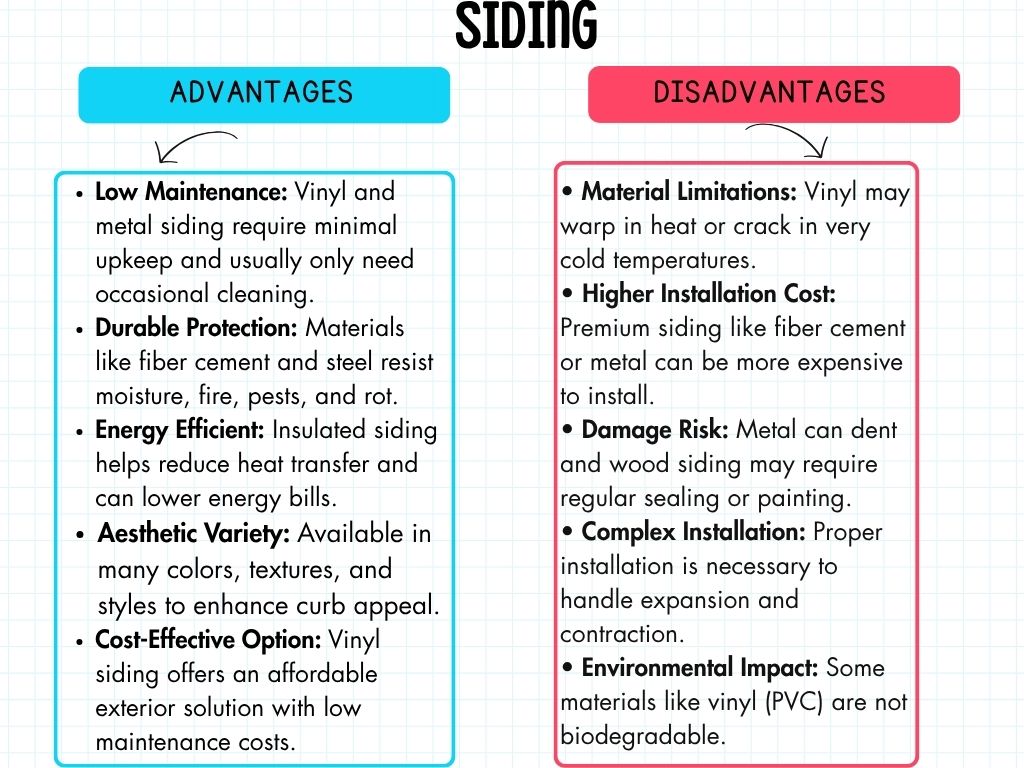
Siding is designed to protect the exterior walls of a home while improving its overall appearance. Popular siding materials include vinyl, fiber cement, metal, and engineered wood, each offering different benefits and limitations. While siding can provide strong weather protection and attractive curb appeal, some materials may also have drawbacks such as cracking, higher installation costs, or maintenance requirements.
1. Low Maintenance: Many siding materials, especially vinyl and metal, require very little maintenance. In most cases, occasional washing is enough, and repainting is usually not necessary.
2. Durability and Protection: Modern siding materials like steel and fiber cement are designed to resist moisture, rot, fire, and pests, helping protect the structure of the home.
3. Energy Efficiency: Certain options, such as insulated vinyl siding, can help improve a home’s thermal performance and reduce energy costs by minimizing heat transfer.
4. Aesthetic Variety: Siding comes in a wide range of colors, textures, and styles, including wood-look panels, shakes, and sleek modern designs, allowing homeowners to customize their home’s exterior.
5. Cost-Effectiveness: Vinyl siding is one of the most affordable exterior materials. It offers a good balance of durability and appearance while keeping upfront and maintenance costs relatively low.
1. Material Limitations: Some siding materials have specific weaknesses. For example, vinyl siding can warp in extreme heat, crack in very cold weather, and may show scratches or impact damage.
2. Installation Costs: Higher-quality siding options, such as fiber cement or metal siding, can be significantly more expensive to install compared to budget materials.
3. Damage Potential: Certain materials are more vulnerable to damage. Metal siding can dent, while wood siding may require frequent painting or sealing to prevent rot or insect damage.
4. Installation Complexity: Proper installation is essential for siding to perform well. Some materials expand and contract with temperature changes, so professional installation is often recommended.
5. Environmental Impact: Some siding materials, particularly vinyl (PVC), are not biodegradable and may have a greater environmental impact compared to natural or recyclable alternatives.
The cost of siding a house can vary depending on the material, labor, and project size. On average, vinyl siding costs around $250–$300 per 100 square feet, including both materials and installation.
For a typical 2,000 square foot home, the total siding cost usually ranges from $5,000 to $20,000 or more, depending on the material chosen and the complexity of the installation.
1. Material Choice: The type of siding you choose has the biggest impact on cost. Vinyl siding is the most budget-friendly option, while fiber cement siding (such as James Hardie) is more expensive but offers greater durability and longevity.
2. Labor Costs: Professional installation can make up a large portion of the total price. Labor costs vary based on location, contractor expertise, and the complexity of the home’s exterior.
3. Replacement Scope: During siding replacement, homeowners are often advised to replace gutters, trim, or damaged sheathing at the same time. While this increases the upfront cost, it helps prevent future issues such as moisture damage or rot.
4. Return on Investment (ROI): Siding replacement can significantly improve a home’s value. Fiber cement siding, in particular, can offer up to about 88% return on investment, making it one of the most valuable exterior upgrades.
1. Vinyl Siding: Approximately $250–$300 per 100 square feet, making it one of the most affordable options.
2. Fiber Cement Siding: Known for its durability and long lifespan, but generally more expensive than vinyl.
3. Wood or Shake Shingles: Offers a natural and classic appearance but usually comes with higher installation costs and ongoing maintenance requirements.
Florida’s Gulf Coast climate puts exterior materials under constant stress from humidity, salt air, UV exposure, and hurricane winds. Because of this, materials that work well in colder or drier regions do not always perform the same in Florida.
Here’s how stucco and siding compare on the factors that matter most:
| Factor | Stucco | Siding |
| Hurricane wind resistance | ✅ Excellent — bonds to structure | ⚠️ Panels may detach |
| UV & heat resistance | ✅ Excellent | ⚠️ Can fade or warp |
| Fire resistance | ✅ Non-combustible (Class A) | ❌ Can melt or burn |
| Termite resistance | ✅ Inorganic material | ✅ Resistant |
| Moisture resistance | ⚠️ Requires sealing | ✅ Does not absorb water |
| Repair cost | ❌ Higher repairs | ✅ Lower repair cost |
Stucco is applied in layers, directly bonded to the structure of the home’s structure, making it far more stable during high-wind events than panel-based siding systems.
Upfront, siding is cheaper. In the long term, stucco often provides better value.
Vinyl siding in Florida typically costs $6.50 to $12.50 per square foot installed, while stucco ranges from $9 to $22 per square foot, depending on the system used.
| Exterior Option | Installed Cost | Lifespan |
| Vinyl Siding | $6.50–$12.50/sqft | 20–40 years |
| Fiber Cement Siding | $4–$15/sqft | 30–50 years |
| Traditional Stucco | $9–$14/sqft | 50–80 years |
| Synthetic/Acrylic Stucco | $14–$22/sqft | 60–100 years |
While siding costs less initially, many homeowners end up replacing it twice during the lifespan of a properly installed stucco exterior.
For Florida homeowners, especially along the Gulf Coast, stucco is often the most durable and climate-appropriate exterior finish. While siding can cost less initially, stucco offers a much longer lifespan, stronger hurricane resistance, and better protection against fire and pests.
The key to getting the most value from stucco is proper installation and maintenance. When applied correctly with the right moisture barriers and coatings, stucco can protect a home for decades while maintaining its appearance and structural performance.If you’re considering upgrading your exterior, the team at Kinetic Stucco Restoration provides professional inspections, repairs, and full stucco installations throughout Sarasota and Manatee County.